
The part of HIV care we don't talk about enough
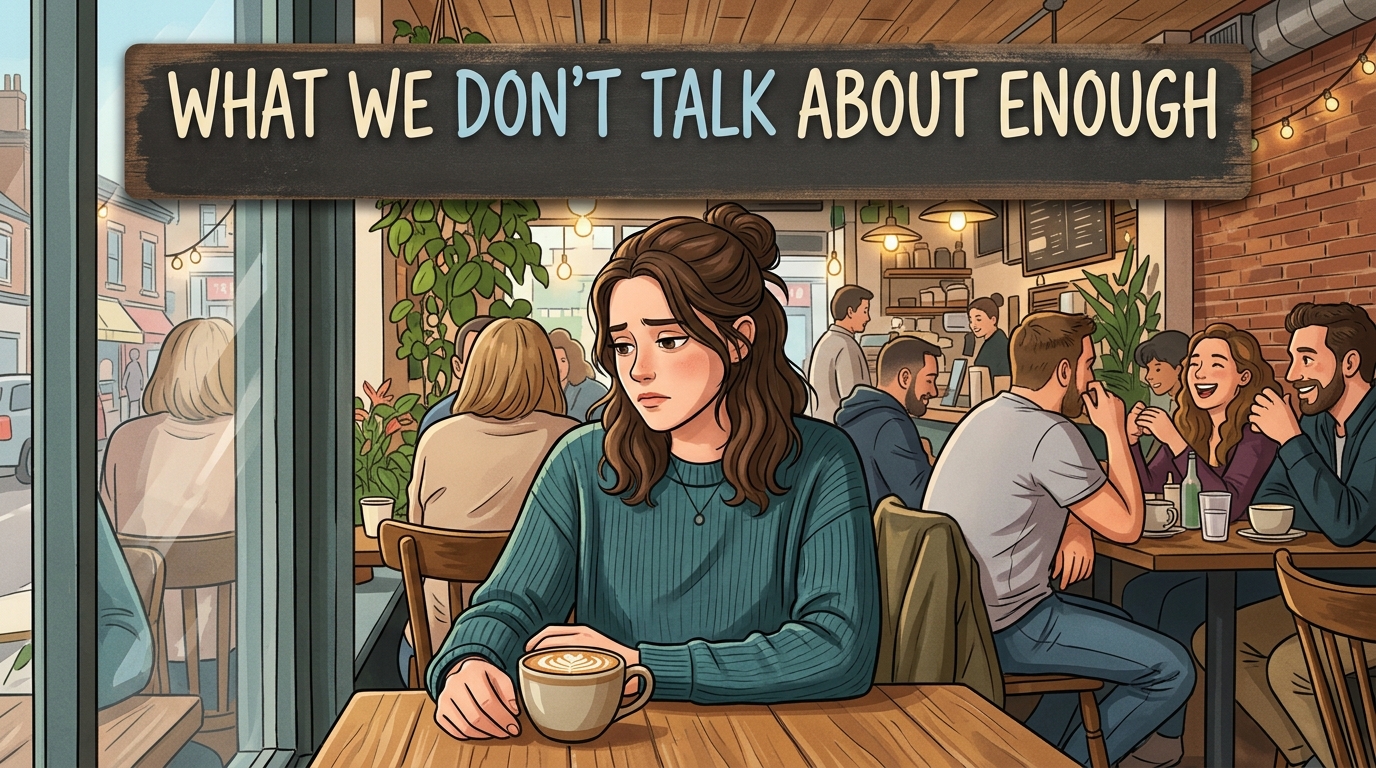
When Amara was diagnosed with HIV, her first concern was whether she would survive. After starting treatment and learning that she could live a long and healthy life, she thought the hardest part was over. But something else began to trouble her. She worried about who might find out, whether the doctors would keep her information private, her friends would treat her differently, and whether she would ever feel comfortable being in a relationship. Although she attended her clinic appointments and took her medications, she often felt very anxious, and overwhelmed.
Mental health refers to our emotional, psychological and social well-being. It affects how we think, feel, relate to others, handle stress and make everyday decisions. Just as we can experience physical health challenges, we can also experience mental health difficulties. Anxiety, depression, prolonged stress and emotional distress are some examples. But these experiences should not be something a person should have to hide or face alone.
For people living with HIV, mental health and physical health are closely connected. Receiving an HIV diagnosis can bring fear and uncertainty about the future. Some people may struggle with accepting the diagnosis, while others may worry about disclosure, rejection, relationships, family expectations or discrimination. Even after starting treatment, these concerns may continue.
It is important to note that HIV does not automatically cause mental illness. A person living with HIV is not necessarily depressed or anxious, and experiencing a mental health condition does not mean someone is unable to manage their HIV treatment. However, people living with HIV may face circumstances that increase their risk of emotional distress. The stress of living with a lifelong condition, experiences of stigma, social isolation and difficult living conditions can all affect their mental well-being.
One common myth is that depression or anxiety is a reaction a person should be able to overcome by staying positive. In reality, mental health conditions are genuine health concerns that may require professional support. Another myth is that mental health problems only affect people who are newly diagnosed. In fact, emotional difficulties can arise at different stages of life, including long after someone has started treatment. There is also the belief that discussing mental health will distract from HIV treatment. The opposite is true. Supporting mental well-being can help people engage with their care and improve their quality of life.
So, the question that comes to mind is what contributes to mental health difficulties among people living with HIV? The causes are not always the same. HIV-related stigma can make people feel ashamed, unsafe or afraid of being judged. Limited social support may leave someone feeling alone with concerns they cannot easily share. Financial difficulties, unemployment, relationship problems, experiences of violence and uncertainty about the future can add to the pressure. Some people may also experience changes in their physical health or side effects from treatment that affect how they feel. These factors can overlap, making it difficult to identify just one cause.
Addressing these challenges involves much more than telling people to be strong or ‘it’s well and they’d be fine’’. Mental health support should be part of routine HIV care. Healthcare workers can create safe spaces where patients feel comfortable discussing emotional concerns without fear of judgement. Where needed, they should be able to access counselling, psychological care and referral to appropriate mental health professionals.
Family and friends also have an important role to play. Sometimes, having someone who listens without judgement can make all the difference. Peer support can help people feel understood by others with similar experiences, although it should complement rather than replace professional care. Healthcare services must also address stigma and discrimination, while recognising that people have different needs and may require different forms of support.
This is the thinking behind person-centred HIV care. At PeCHIVReT, our work recognises that people living with HIV should be involved in shaping the services and interventions intended to support them. One of our initiatives, presented at AIDS 2026, explored how mental health support could be integrated into HIV care for young people living with HIV in Nigeria. Co-designed with young people, the intervention explored the role of trained youth peer researchers in providing support within HIV services. It reflects an important principle that people should not have to navigate their emotional well-being separately from the care they already receive.
Think again about Amara. Her treatment may help control the virus, but it cannot, on its own, answer every question she has about acceptance, relationships, loneliness or the future. She also needs a healthcare team that listens, a support system she can trust and access to help when she is struggling. Her story shows us how HIV care must make room for these needs too.
Ultimately, the goal should not be simply to help people live longer with HIV, but to help them live well. That means recognising mental health as an essential part of HIV care and treating every person as more than their diagnosis. Because living well with HIV should mean more than living with a suppressed virus.