Someone
may know that HIV/STI testing is important and still avoid testing. Often
times, the problem is not from lack of information but fear, stigma, lack of
funding or avoiding generalized care.
Person-centered
prevention means designing prevention around lived experiences, preferences,
concerns and circumstances rather than expecting everyone to fit in the same
service model. This approach is a critical attribute of high-quality
healthcare, promoting quality of life and improving an individual’s interaction
with the health system[1]. However, achieving this
in resource limited settings is often a challenge constrained by factors like the
fear of being recognized, confidentiality and privacy concerns, healthcare
provider judgment, cost of transportation to the facility, long waiting times,
inconvenient clinic hours, or fear of having a positive result. There are also
gender and age-related barriers, limited access to youth-friendly services,
concerns around STI specifically and digital and health-literacy barriers.
Understanding
the presence of these barriers should help change the conversation from asking about
the strategies to get more people into clinics to what would make testing
easier for these people. In line with WHO’s global strategy on HIV for
2022–2030 and UNAIDS’ targets set in 2021, a person-centered approach is
essential to allow for this transformation of health systems and health
services must offer an integrated response to the evolving health needs[2]. Therefore,
person-centricity should be at the core of every healthcare initiative. In
practice, this means moving away from the idea that HIV and STI testing must
happen in one place, at one time, and through one approach. Different people
face different barriers, so testing services should offer different ways to
access care.
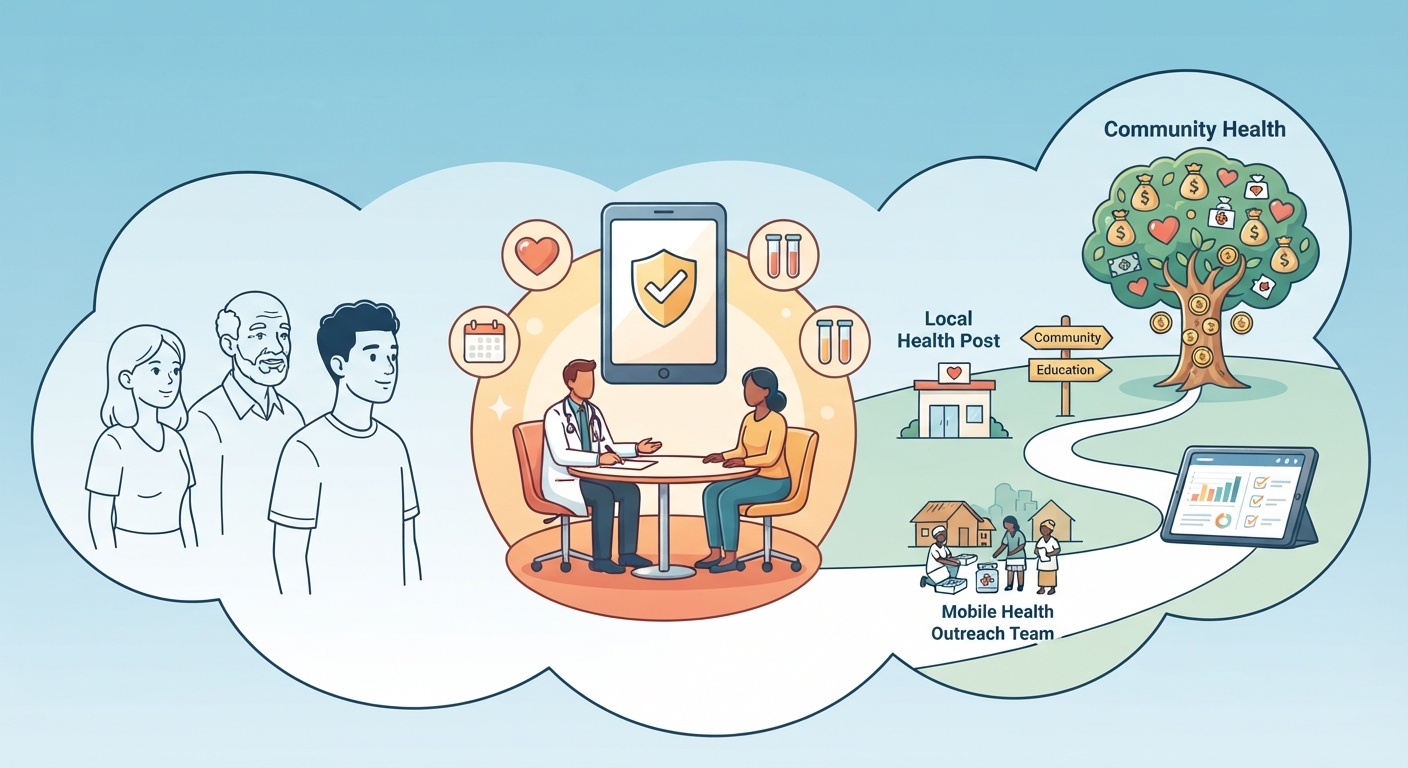
For some
people, community-based testing and outreach services can bring testing closer
to where people live, work, study, or gather, reducing the time and transport
required to reach a health facility. For others, HIV self-testing, where
appropriate and supported by clear linkage-to-care pathways, may provide
greater privacy and control over when and where they test. Pharmacy-based
services can also create another point of access for people who already seek
health products and advice in these settings, while mobile services can reach
communities that are poorly served by fixed facilities.
Digital
tools can complement these approaches by providing information, reminders, risk
assessment, referral support, or guidance on where and how to access testing.
Similarly, flexible clinic models, including extended hours or appointment
options, can make services more accessible to people whose work, school,
caregiving responsibilities, or other circumstances make conventional clinic
schedules difficult.
The
important point is not that one of these approaches is better than the others.
Their value depends on the barriers faced by the people they are intended to
serve. A person-centered system therefore asks not only whether testing is
available, but whether it is available in a way that is acceptable, accessible,
private, convenient, and connected to the care and prevention services a person
may need afterwards.
In practice,
this may mean bringing testing closer to people rather than expecting everyone
to come to a clinic. Community and mobile testing can reduce distance and
transport barriers, while self-testing, where appropriate, can offer greater
privacy and control. Pharmacy-based services, outreach, digital support, and
flexible clinic hours can provide additional pathways for people who may find
conventional services difficult to access. The goal is not to choose one model
over another, but to create options that respond to different realities.
A young
person, a sex worker, a rural resident, a university student, and someone
concerned about an STI may face very different barriers to testing. For one
person, it may be distance. For another, privacy, stigma, cost, or fear of
judgement.
This is
why understanding people’s experiences matters. At PeCHIVReT, our human-centered
research approach reminds us that people should not only be the subjects of
research. Their experiences should help shape the questions we ask and the
services we design. Testing should also not be treated as an isolated event.
What happens before testing, during the interaction, and after the result all
matter. A person-centered approach should connect testing with the services
people may need next, including PrEP, STI care, treatment, counselling, partner
services, and ongoing support.
Measuring
how many people tested is important, but it does not tell us whether they felt
respected, supported, or able to access the next step. As researchers and
program facilitators, we can start by asking communities what they actually
need and also involve them in program design. We can measure more than uptake
by considering privacy, trust, accessibility, and acceptability, while testing
different service-delivery models and adapting them based on evidence.
Most
importantly, low testing uptake should not automatically be interpreted as low
awareness. Sometimes, people know a service exists but face barriers that make
using it difficult. If prevention is meant to protect people, then people must
be part of how prevention is designed. Person-centered prevention asks us to
look beyond whether someone tested and understand what made testing possible,
difficult, or unacceptable in the first place. For PeCHIVReT, this means using
research not only to describe communities, but to help build health services
that respond to their realities.